
Bounce rate is one of the most critical metrics to monitor, but why is that, well here we reveal everything you need to know about bounce rate plus some proven ways to reduce it.
A high bounce rate indicates that users are leaving your website after viewing just one page, which means you’re losing potential customers or clients before they’ve had a chance to engage with your content.
Understanding and addressing your site’s bounce rate can significantly improve user experience and conversion rates.
Here, we’ll explore 15 proven ways to reduce your bounce rate and keep visitors engaged on your website.
Understanding Bounce Rate
Bounce rate refers to the percentage of visitors who land on a web page and then leave without clicking to another page on the same site.
A high bounce rate can suggest that visitors didn’t find what they were looking for, the content wasn’t engaging enough, or the website’s design wasn’t user-friendly.
Common Causes of High Bounce Rate
Several factors can contribute to a high bounce rate, including:
- Slow page loading times: Users tend to abandon a page if it takes too long to load.
- Poor website design: A cluttered or confusing web design can deter users.
- Irrelevant content: If visitors can’t find what they were searching for, they’ll quickly leave.
- Weak calls to action (CTAs): Visitors may leave if they don’t know what action to take next.
Now that we’ve covered the basics, let’s delve into the 15 proven ways to reduce your bounce rate.
1. Improve Page Load Speed
One of the leading causes of high bounce rates is slow page load speed. Studies show that users are likely to leave a site if it takes more than 3 seconds to load. To address this:
- Compress large images and use the correct file formats.
- Enable browser caching and minimise HTTP requests.
- Optimise your website’s code, particularly CSS and JavaScript.
By ensuring your site loads quickly, you’ll keep visitors from leaving out of frustration and improve overall user experience.
2. Craft Clear, Engaging Headlines
Your page’s headline is the first thing visitors see, and it should instantly convey the purpose of the page.
Craft clear, compelling headlines that directly address the needs or interests of your target audience.
Avoid being overly vague or sensational; users should know exactly what they’ll get from your page after reading the headline.
3. Offer High-Quality, Relevant Content
The quality of your content is a primary factor in reducing bounce rate. Visitors are more likely to stay if they find valuable and relevant information. Ensure that your content matches user intent by:
- Understanding your audience’s pain points and questions.
- Providing detailed and insightful answers to their queries.
- Regularly updating your content to keep it fresh and relevant.
4. Improve Mobile Optimisation
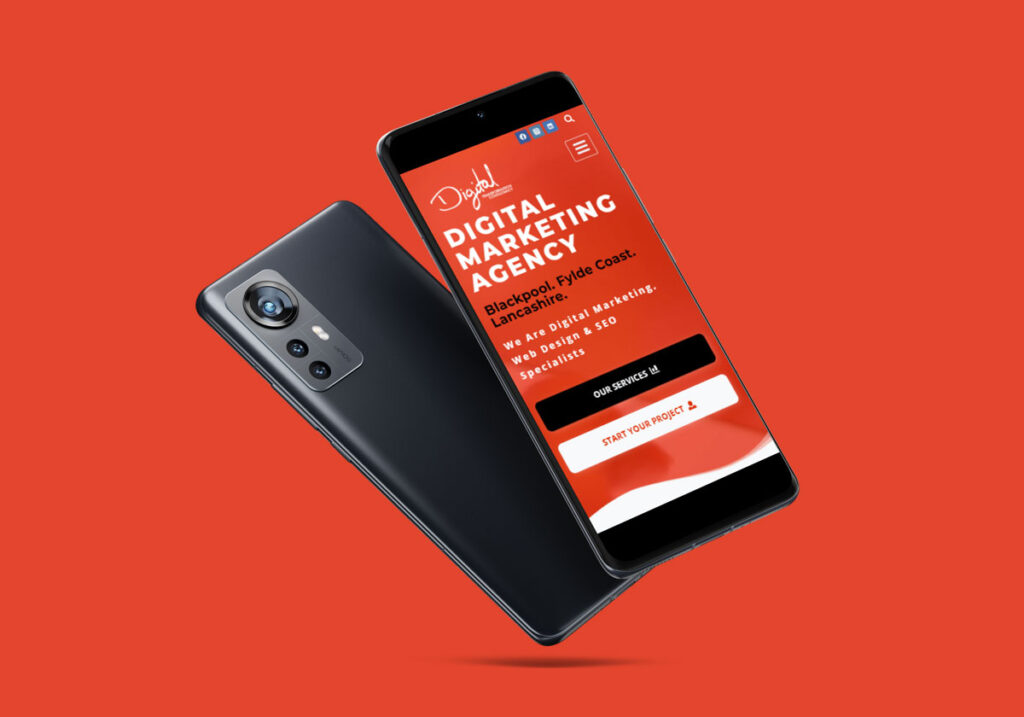
With the majority of web traffic coming from mobile devices, mobile optimisation is essential.
A site that isn’t optimised for mobile will see higher bounce rates because mobile users will find it hard to navigate or read the content. Implement a responsive design that adapts seamlessly to different screen sizes, ensuring that images, text, and navigation elements are all mobile-friendly.
5. Use Clear, Visually Appealing Calls-to-Action (CTAs)
Effective CTAs guide visitors toward the next action you want them to take. They should be clear, concise, and visually appealing. Whether it’s “Sign Up Now,” “Read More,” or “Get in Touch,” make sure your CTAs are easy to find and stand out on the page.
6. Break Up Text with Engaging Visuals
Blocks of text can overwhelm visitors and cause them to leave. Break up your content by incorporating engaging visuals such as images, infographics, and videos.
This not only improves readability but also makes your content more engaging. Visuals can convey complex ideas more effectively and keep users on the page longer.
7. Make Navigation Simple and Intuitive
A confusing navigation structure can frustrate users and cause them to abandon your site.
Ensure your website’s navigation is intuitive, with clear menu items and links to related content.
Consider adding breadcrumbs to help users easily track where they are on your site.
8. Implement Internal Linking
Internal linking encourages visitors to explore more pages on your site.
By linking to other relevant blog posts, service pages, or product categories within your content, you can keep visitors engaged and reduce the likelihood of them bouncing after viewing just one page.
9. Use Exit-Intent Popups Strategically
Exit-intent popups can be a useful tool for retaining visitors who are about to leave your site.
By offering a discount, promoting a lead magnet, or providing additional content, you can entice visitors to stay longer.
However, be strategic with popups—overuse can annoy users and contribute to higher bounce rates.
10. Enhance Your Website’s Aesthetics

First impressions matter. A visually appealing website encourages users to stay and explore further.
Invest in a clean, modern design that aligns with your brand identity.
Avoid clutter and ensure that your design elements, such as fonts, colours, and layouts, contribute to a cohesive and attractive user experience.
11. Create a Strong First Impression Above the Fold
The content above the fold—the area visible without scrolling—should immediately engage users and encourage them to continue exploring.
Include attention-grabbing elements like your main headline, a clear CTA, and visually appealing images.
Make sure the user can instantly understand the purpose of the page and what action to take next.
12. Reduce Distractions and Clutter
Too many ads, popups, or unrelated links can distract users and increase bounce rates.
Ensure that your website design is clean and free from unnecessary distractions.
Keep ads and promotional elements to a minimum, and only include relevant content that enhances the user experience.
13. Optimise for User Intent
Understanding user intent is key to keeping visitors on your site. Visitors arrive with specific expectations—whether they’re looking for information, products, or services.
By aligning your content and design with the user’s intent, you can provide value and ensure visitors find what they’re looking for, reducing the likelihood of them bouncing.
14. Personalise the User Experience

Personalisation can significantly improve user engagement. Tailor content, offers, and recommendations based on user behaviour, preferences, or location.
By creating a personalised experience, you can make visitors feel more connected to your site and more likely to explore additional content or make a purchase.
15. Regularly Update and Test Your Website
Finally, regularly updating your website ensures that it remains relevant, fast, and user-friendly.
Conduct A/B testing on key elements such as headlines, CTAs, and page layouts to see what works best for your audience.
Continuously improving your website will help you reduce bounce rates and create a better user experience.
How Can DTC Help?
At DTC, we understand the importance of keeping visitors engaged on your website.
A high bounce rate can be a major obstacle to your online success, signalling that users are leaving your site without exploring further.
This not only hurts your chances of converting visitors into customers but also negatively impacts your search engine rankings.
Our team at DTC is here to help you drastically reduce your bounce rate and improve overall user experience.
Through a combination of expert SEO strategies and high-quality web design, we optimise your site to ensure that it captures attention from the moment visitors arrive.
We focus on creating intuitive navigation, fast loading times, mobile-friendly designs, and engaging, targeted content that speaks directly to your audience.
Our SEO services ensure your site is structured properly, with content creation that aligns with what your visitors are searching for.
By implementing best practices like internal linking, meta tags, and optimised keywords, we help your site rank higher in search results and keep users engaged longer.
If you’re ready to take your website to the next level and reduce bounce rates, contact DTC today for a personalised consultation.
Conclusion
Reducing your bounce rate is essential for improving user engagement and maximising conversions.
By focusing on delivering a fast, user-friendly, and relevant experience, you can keep visitors on your site longer, increasing their chances of interacting with more of your content.
Start by implementing some of these 15 proven strategies and watch your bounce rate decrease, leading to more satisfied visitors and better overall performance.
Optimising for bounce rate is not a one-time task but an ongoing effort. As your audience and their expectations evolve, so should your website, ensuring it continues to meet their needs and deliver value.